
Understanding FAA Regulations for Aviation Technology in California


Introduction to FAA Regulations
The Federal Aviation Administration (FAA) plays a crucial role in maintaining the safety and efficiency of the aviation industry. For anyone involved in aviation technology in California, understanding these regulations is essential. The FAA's guidelines ensure that technological advancements are implemented safely and effectively.

Key Areas of FAA Regulations
The FAA's regulations cover several critical areas, including aircraft design, operation, and maintenance. By adhering to these rules, aviation companies and professionals can help prevent accidents and improve overall safety. The regulations are frequently updated to accommodate new technological advancements.
Aircraft Design and Certification
Before any aircraft can take to the skies, it must be certified by the FAA. This process ensures that the design meets all safety and performance standards. Manufacturers must undergo rigorous testing and documentation to achieve certification.
Operational Guidelines
Operational regulations set standards for piloting, air traffic management, and ground operations. These rules are vital for coordinating airspace efficiently and ensuring that all flights are conducted safely. For example, pilots must adhere to specific communication protocols and flight rules.

Maintenance Requirements
Regular maintenance is critical for aviation safety. The FAA mandates specific maintenance schedules and procedures to ensure all aircraft remain in top condition. These requirements help detect potential issues before they become serious problems.
Impact of Technology on Regulations
As technology evolves, the FAA continuously updates its regulations to address new challenges and opportunities. Innovations such as drones, autonomous systems, and advanced navigation technologies require new rules that balance innovation with safety.
Drone Regulations
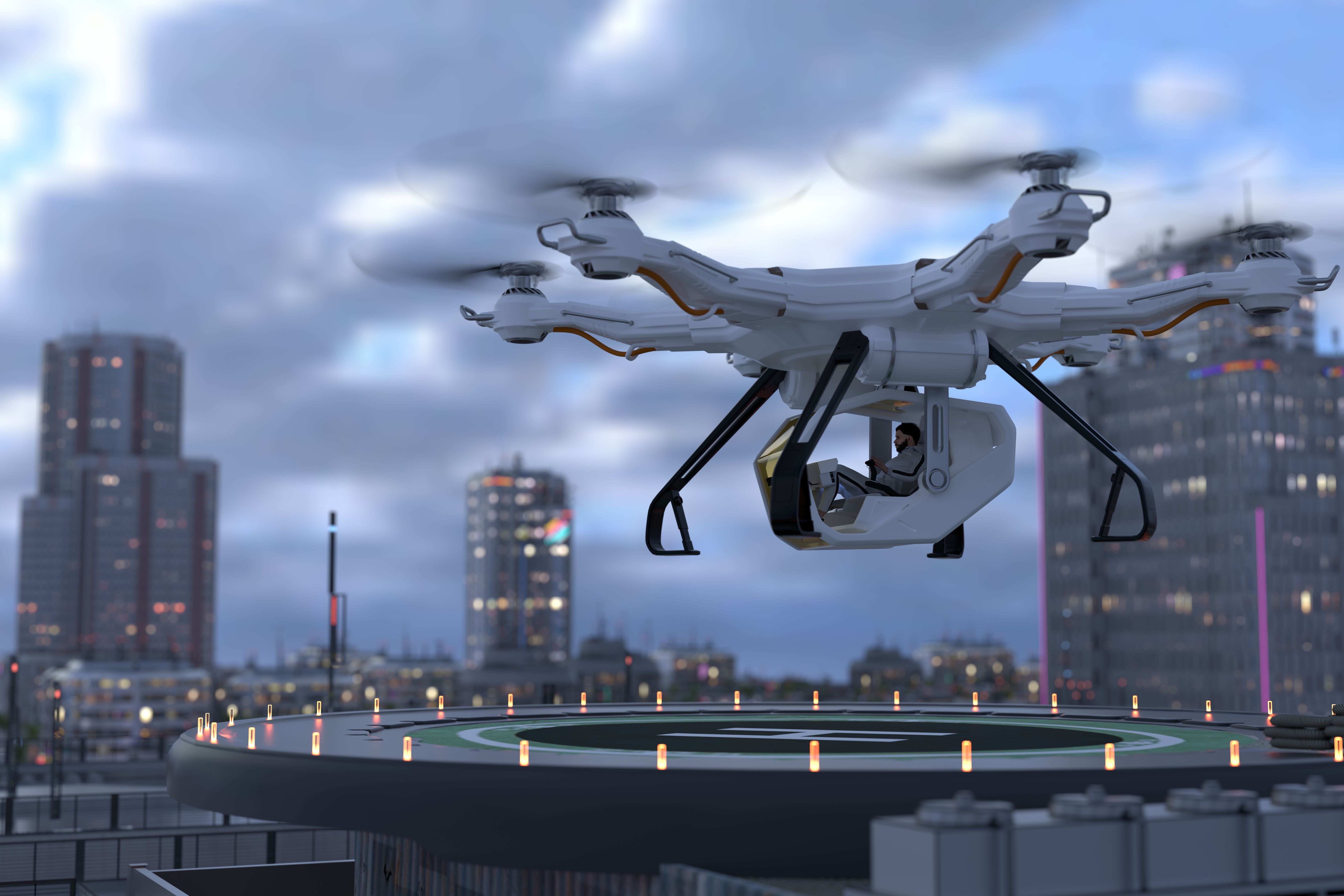
Drones have become an integral part of aviation technology. The FAA has established specific guidelines for their use, including registration, operational limits, and pilot certification requirements. These regulations aim to ensure drones are used safely and responsibly.
Compliance and Enforcement
Compliance with FAA regulations is not optional. The agency has the authority to enforce its rules through fines, penalties, and other measures. Regular audits and inspections help ensure that aviation entities in California adhere to these standards.
Staying Informed
Staying up-to-date with FAA regulations is crucial for anyone involved in aviation technology. The FAA provides resources, training, and updates to help industry professionals stay informed. Regularly reviewing these materials can help ensure compliance and promote safety.