
The Impact of Weather on Aviation Operations in California


California, known for its diverse climate and picturesque landscapes, also poses unique challenges for aviation operations. From the coastal fog of San Francisco to the desert winds of Palm Springs, understanding the impact of weather on aviation in California is crucial for ensuring safety and efficiency.
Weather conditions can significantly influence flight schedules, safety protocols, and operational efficiency. In this post, we'll explore how different weather phenomena affect aviation in the Golden State.

Fog and Low Visibility
Fog is a common occurrence in California, especially along the coast. Cities like San Francisco often experience dense fog, which can lead to low visibility conditions. This impacts takeoffs and landings, causing delays and sometimes diversions to other airports.
Pilots rely on advanced navigation systems and instruments in such conditions, but the unpredictability of fog can still present challenges. Proper planning and real-time weather monitoring are essential to manage these situations effectively.
Wind Patterns and Turbulence
California's diverse topography contributes to complex wind patterns. The Santa Ana winds, for example, are known for their strength and can create hazardous flying conditions. These winds can cause turbulence, affecting both passenger comfort and flight safety.

Pilots must be well-trained to handle such conditions, and airlines often adjust flight routes or altitudes to minimize turbulence. Understanding local wind patterns is key to ensuring safe and smooth flights.
Impact of Rain and Storms
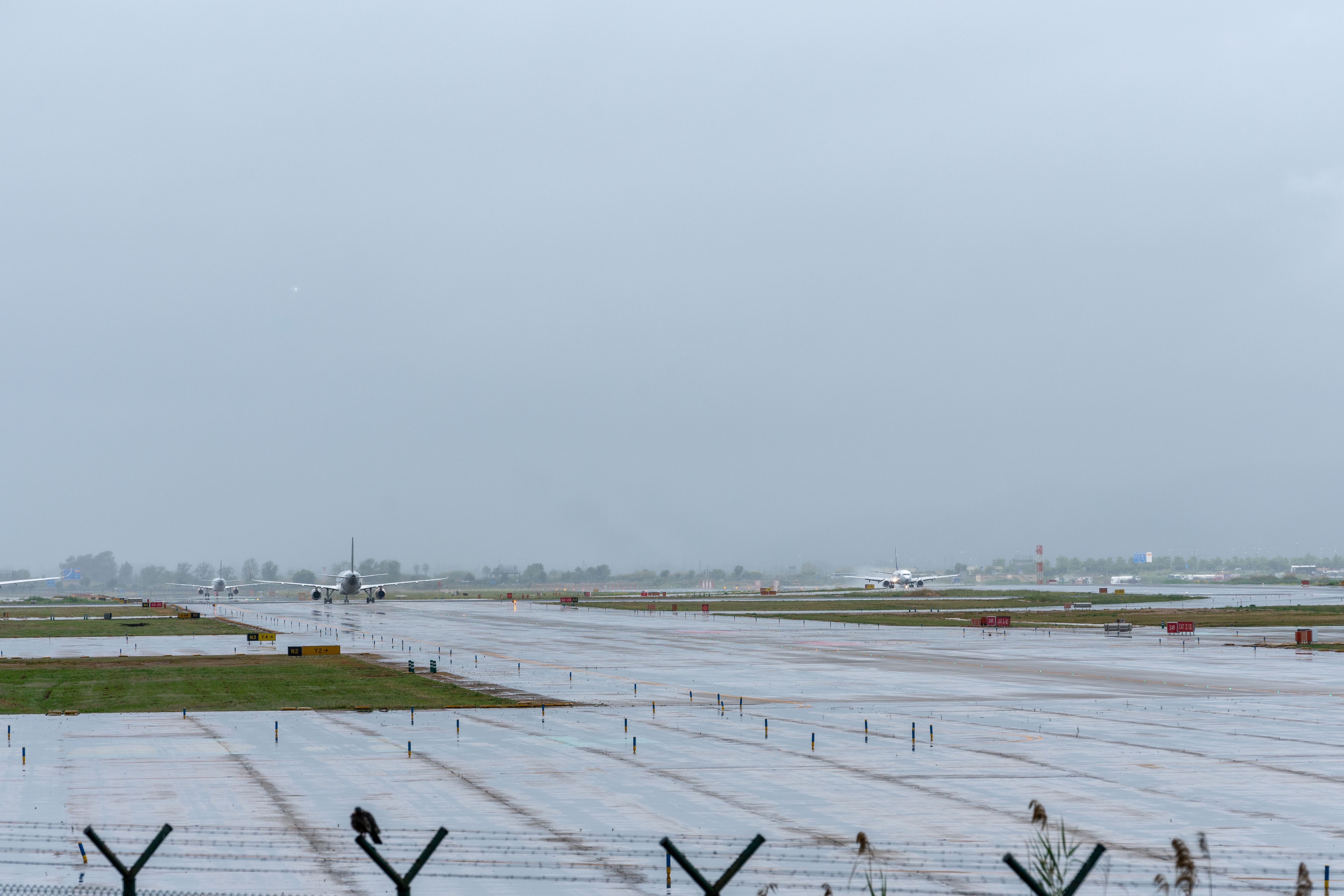
While California is often associated with sunny weather, certain regions experience significant rainfall, especially during the winter months. Heavy rain can lead to slippery runways and poor visibility, impacting landing and takeoff operations.
Thunderstorms, though less frequent, can also disrupt aviation operations. Lightning, strong winds, and hail pose serious risks, requiring pilots to follow strict safety protocols.
Mitigating Weather-Related Challenges
Aviation professionals in California employ various strategies to mitigate weather-related challenges. These include:
- Utilizing advanced weather forecasting tools to anticipate conditions.
- Implementing flexible scheduling to accommodate weather-induced delays.
- Investing in pilot training programs focused on handling adverse weather.
Technological Advancements
Technological advancements have played a significant role in coping with California's varied weather conditions. Modern aircraft are equipped with sophisticated instruments that enhance navigation and safety. Additionally, real-time data sharing between aircraft and ground control helps in making informed decisions.
Airlines and airports continue to invest in technology to improve weather prediction and response strategies, ensuring a safer and more reliable travel experience for passengers.
Conclusion
The impact of weather on aviation operations in California is profound and multifaceted. By understanding and anticipating these challenges, the aviation industry can enhance safety and efficiency. Ongoing investments in technology and training are essential to navigate the unique weather phenomena of this diverse state.